
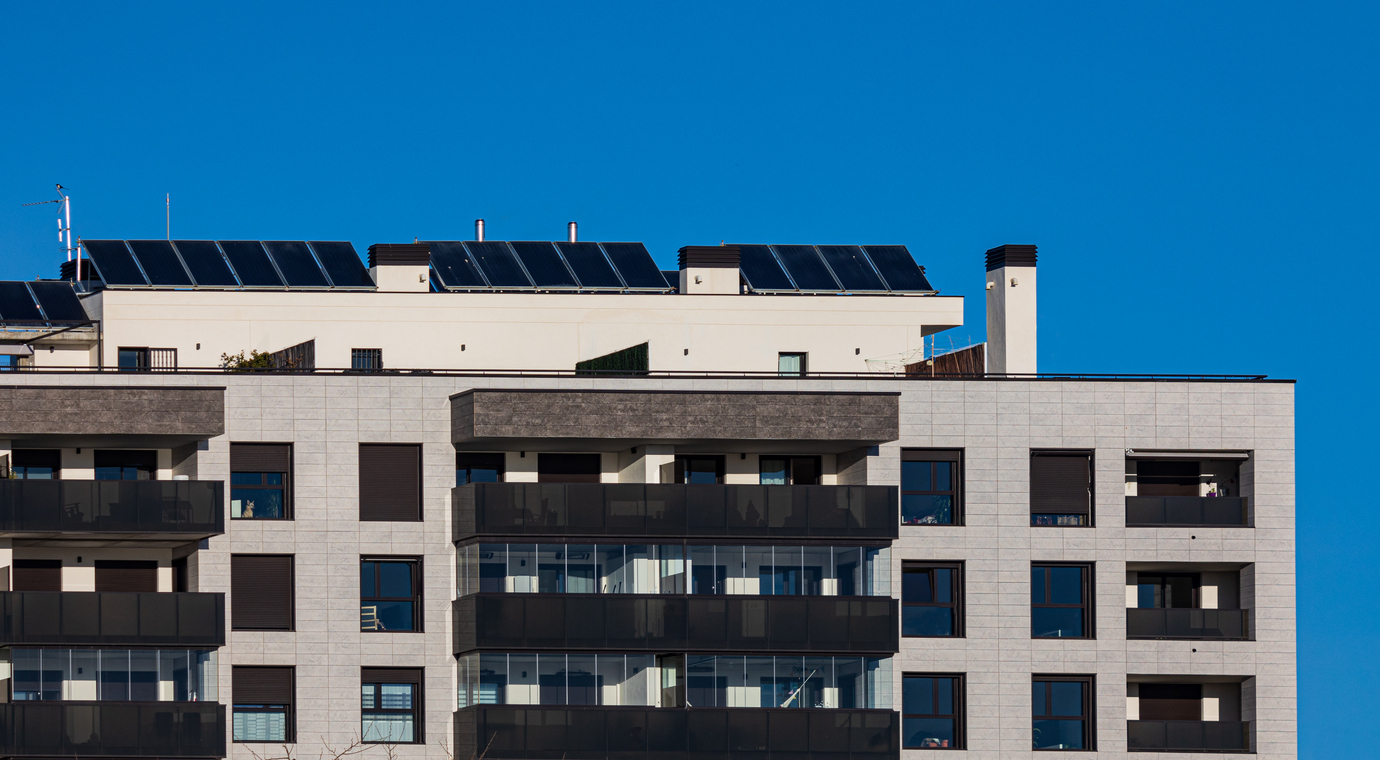


CTE 2026 introduces significant changes to building regulations in Spain, expanding the traditional focus on energy efficiency toward a broader vision based on the building’s life cycle. The update to the Technical Building Code aligns with European goals for decarbonizing the construction sector and addresses the need to reduce the environmental impact of buildings throughout all their life stages. In this context, the new DB-HSA (Basic Document on Environmental Sustainability) and the update to the DB-HE incorporate tools that strengthen sustainability in construction and promote more integrated strategies for the design and retrofitting of buildings.
CTE 2026: Key Changes Compared to the Previous CTE
The update to the Technical Building Code introduces several significant changes that expand the scope of the regulations beyond traditional energy efficiency. Among the most notable changes are the following:
- A new Basic Document on Environmental Sustainability (DB-HSA), which introduces environmental criteria into the evaluation of buildings.
- Life-cycle assessment of buildings, using indicators such as global warming potential associated with materials, construction, use, and end-of-life.
- Strengthening of renewable energy generation in the Basic Document on Energy Conservation (DB-HE), with new requirements for the integration of solar energy.
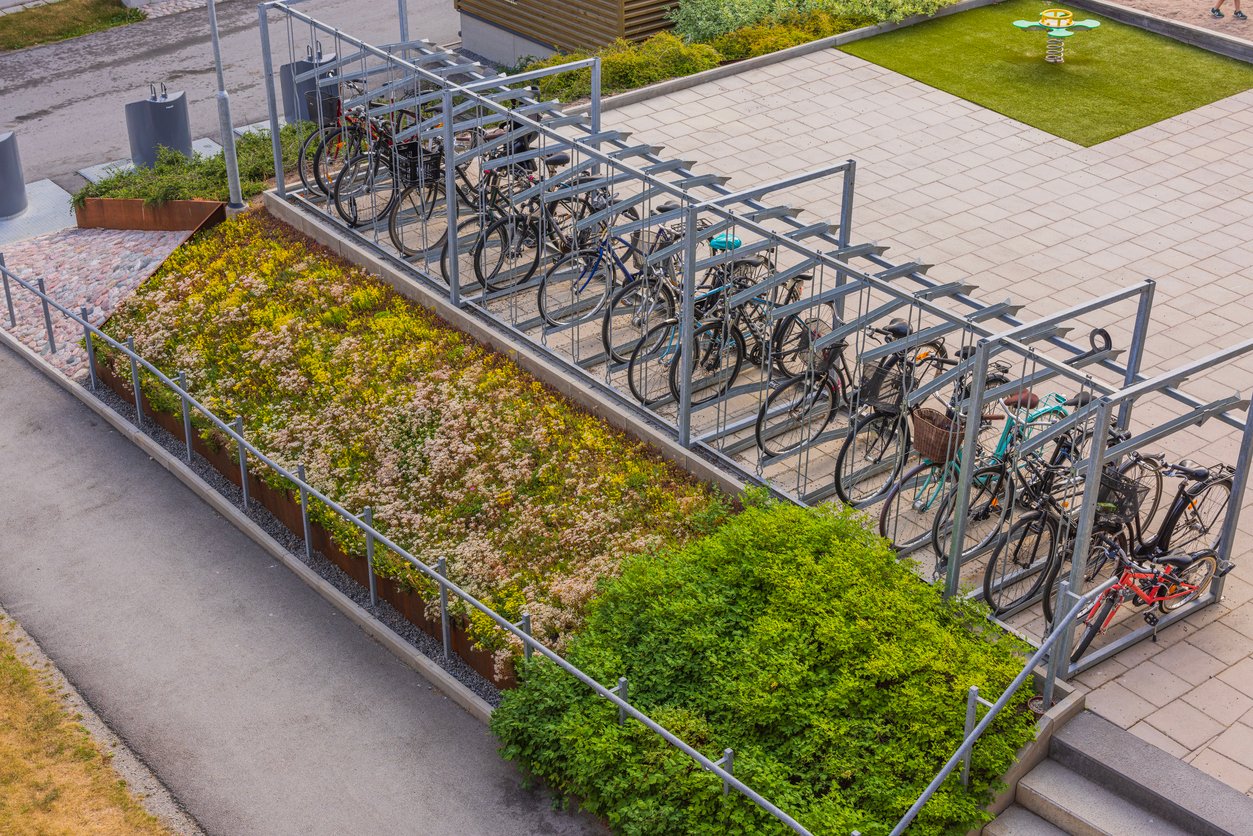
- Incorporation of sustainable mobility criteria, including infrastructure for charging electric vehicles and bicycle parking.
Why is the CTE being updated in 2026?
The 2026 update to the CTE responds to the need to align Spanish regulations with European decarbonization goals for the building sector, as set forth in initiatives such as the European Energy Performance of Buildings Directive (EPBD). In this context, the regulations are beginning to align with the European concept of zero-emission buildings, which seeks to minimize energy consumption and phase out the use of fossil fuels in buildings.
Beyond improving energy performance during the operational phase, the new approach incorporates criteria related to the building’s life cycle and the environmental impact associated with construction materials and processes.
At the same time, the existing building stock plays a very significant role in Spain, making energy retrofits a key tool for improving building efficiency. In this context, the new DB-HSA and the update to the DB-HE expand the scope of the CTE and promote a more comprehensive vision of sustainability in building construction.

The building life cycle is incorporated into the CTE with the DB-HSA
One of the main new features of the CTE 2026 is the incorporation of the new Basic Document on Environmental Sustainability (DB-HSA). This document introduces criteria for assessing the environmental impact of buildings, expanding the traditional scope of the CTE, which until now had focused on energy consumption during the building’s operational phase.
Among its new features is the assessment of a building’s global warming potential throughout its life cycle, taking into account emissions associated with material manufacturing, construction, and the building’s end-of-life phase. In the initial phase, the regulations introduce the requirement to calculate and report a building’s climate impact, while limit values will be established progressively over the coming years.
This approach aligns with methodologies such as life cycle assessment (LCA) and represents an important step toward a more comprehensive view of sustainability in building construction, in which the environmental impact of building materials and systems is beginning to play a significant role in building design.

Changes to the DB-HE and Their Impact on Building Renovation
The Basic Energy Efficiency Document (DB-HE) is also being updated in the CTE 2026 with the aim of strengthening energy efficiency and promoting the integration of renewable energy. Notable changes include stricter requirements for renewable energy generation, as well as the inclusion of a specific requirement related to solar energy generation (DB-HE6) in buildings.
These changes not only affect new construction but also have a significant impact on the energy retrofitting of the existing building stock.
Key changes include:
- Stricter requirements for renewable energy generation
- New DB-HE6 section related to solar generation
- Improvements to the building envelope and airtightness
- Control of air infiltration and energy demand
These changes have a direct impact on energy retrofits, especially in Spain’s existing building stock.
Interventions should focus on:
- improving the building envelope
- replacing systems with more efficient solutions
- integrating renewable energy
The DB-HE is thus establishing itself as a key tool for moving toward a more efficient and decarbonized building stock.
In this way, the DB-HE continues to evolve as an essential tool for improving the energy performance of buildings and moving toward a more efficient and decarbonized building stock.
How to Address the Changes in the CTE 2026 When Designing Buildings
The incorporation of life cycle analysis and stricter energy requirements present new challenges in the building design process. To address these challenges, it is increasingly important to adopt an integrated approach that allows for the joint evaluation of a building’s energy performance and environmental impact from the earliest stages of the project.
In this context, tools such as BIM modeling and energy simulation make it possible to analyze different design solutions, optimize the building envelope and systems, and evaluate the impact of materials throughout the life cycle. This type of approach facilitates informed decision-making and allows for anticipating the requirements of the CTE 2026, especially in renovation and new construction projects.
Other relevant changes in the CTE 2026
In addition to changes related to the building’s life cycle and energy efficiency, the CTE 2026 update introduces other modifications to various basic documents with the aim of improving the safety, accessibility, and sustainability of buildings.
These include, notably:
- Update to the Basic Document on Fire Safety (DB-SI).
- Changes to the Basic Document on Safety of Use and Accessibility (DB-SUA).
- Revision of health-related aspects in the DB-HS.
Conclusion
CTE 2026 marks a significant change in building regulations in Spain by introducing the building life cycle and strengthening energy efficiency and renewable energy.
Taken together, these changesreflect an evolution of the Technical Building Code toward a broader vision of sustainability in construction, where design, the selection of materials, and the energy retrofitting of existing buildings are playing an increasingly important role.
